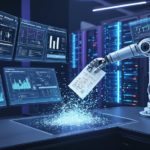
The rapid transformation of IT Service Management (ITSM) through artificial intelligence is reshaping how organizations manage their technology infrastructure and support services. With 78% of companies globally now using AI in some capacity, the technology has moved from experimental to essential.
AI has transformed ITSM from a strategic option to a business necessity in today’s technology landscape.
The adoption rates are particularly telling in the IT sector, where 90% of tech workers incorporate AI into their daily tasks, and 35.49% of professionals use AI tools every day.
This shift toward AI-powered ITSM addresses a critical challenge: 38% of IT professionals cite technology complexity as a major barrier to effective operations. Organizations are increasingly turning to AI to cut through this complexity.
The focus has evolved from simply gathering insights to implementing autonomous solutions that can take action without human intervention. In fact, 52% of IT leaders now prioritize AI systems that can independently execute, resolve, and optimize IT workflows.
The results of implementing these advanced automation systems are compelling. Enterprises leveraging hyper-automation in ITSM experience a 40% increase in workflow throughput and a 28% reduction in cross-team SLA breaches.
AI copilots integrated into service desks deliver a 55% reduction in Level 1 ticket volume while increasing employee satisfaction with IT support by 33%. Recent surveys indicate that ease of use is the top evaluation factor for 63% of organizations when selecting ITSM solutions.
Platform convergence represents another key development, with ITSM tools evolving from standalone applications to integrated hubs connecting various IT functions. This integration enables unified data analysis and seamless workflow orchestration across previously siloed teams.
The shift from reactive to proactive support models is perhaps most significant. AI-powered predictive analytics now anticipate issues before they impact end users, allowing IT teams to allocate resources more efficiently. Many organizations are implementing agentic AI systems that can reason, plan, and act semi-independently to further enhance operational efficiency.
Autonomous AI agents can simulate multiple solutions, analyzing cost and impact before triggering preventative actions based on predictive modeling.
Organizations that implement AI-driven integration can reduce downtime by 30% while simultaneously streamlining service management processes and improving overall user satisfaction.
You can measure automation effectiveness through telemetry, customer satisfaction scores, and business feedback, using these insights to continuously refine your AI implementation. The goal isn’t “set and forget” automation but rather a continuously improving system that adapts to your organization’s evolving needs.