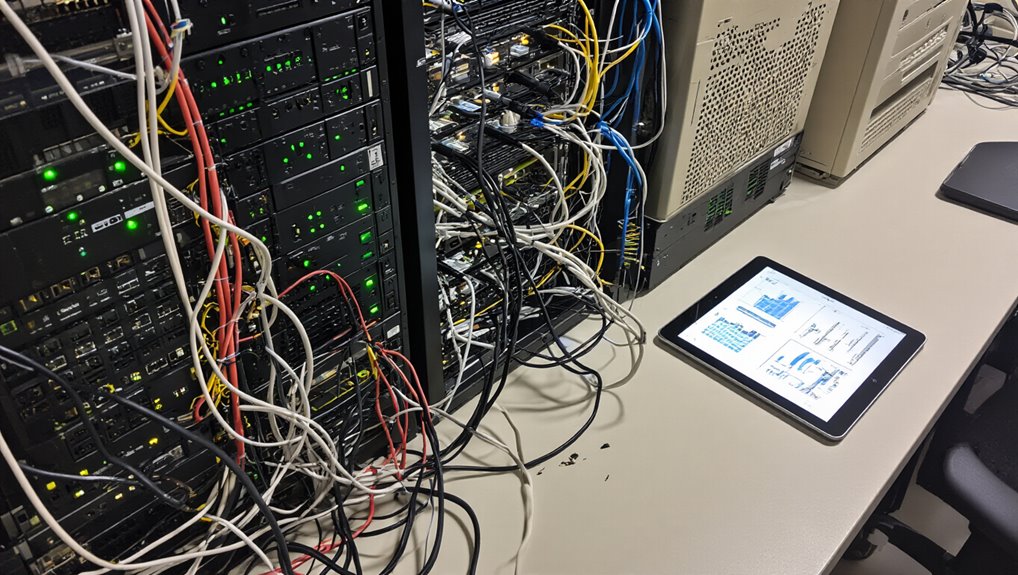
Across enterprises worldwide, traditional IT operations models are collapsing under the weight of modern infrastructure complexity. Teams managing siloed monitoring tools face hundreds of alerts daily, making it nearly impossible to prioritize critical issues effectively. Different systems monitor servers, applications, networks, and cloud environments separately, creating disconnected visibility that leaves dangerous blind spots across departments. Manual correlation of logs, metrics, and events materially slows incident response when every second counts. Integrated ITSM platforms enable real-time data sharing and automated workflows to reduce these manual burdens and speed response times through system integration.
The shift to hybrid and multi-cloud environments has exposed fundamental weaknesses in conventional IT management. Each cloud provider operates with unique APIs, monitoring tools, and configurations, fragmenting visibility across your infrastructure. Manual updates across multiple clouds create configuration drift and inconsistencies that result in costly downtime. Gartner now recognizes cloud concentration as a top five emerging business risk globally, yet disconnected monitoring tools continue generating visibility gaps in critical operations.
Traditional reactive operations simply cannot meet modern business speed requirements. The conventional approach—detect problems first, then diagnose and fix—proves too slow for enterprises where even brief downtime leads to significant revenue loss. Mean Time to Resolution remains unacceptably high under reactive models, escalating SLA breach risks and causing operational fatigue among teams constantly firefighting emergencies.
Legacy systems compound these challenges by creating integration bottlenecks and security vulnerabilities. Outdated infrastructure represents one of the biggest obstacles to modernization efforts, slowing operations and limiting integration with new technologies. Security risks increase without timely updates, while businesses struggle to maintain competitiveness and agility. Static security audits and manual compliance checks fail to address vulnerabilities in dynamic hybrid environments where threats evolve continuously.
Data quality deterioration further undermines operational effectiveness. Research shows 77% of organizations rate their data quality as average or worse, with companies losing an average of 25% of revenue annually due to quality-related inefficiencies. Poor data quality results in 60% higher project failure rates and reduces AI effectiveness by 40%. Organizations lose 12 hours weekly per employee searching for information across disconnected systems.
Modern IT Service Management addresses these failures through integrated visibility, automated correlation, and proactive monitoring. By consolidating tools and implementing predictive analytics, organizations transform reactive firefighting into controlled, reliable operations that meet contemporary business demands.