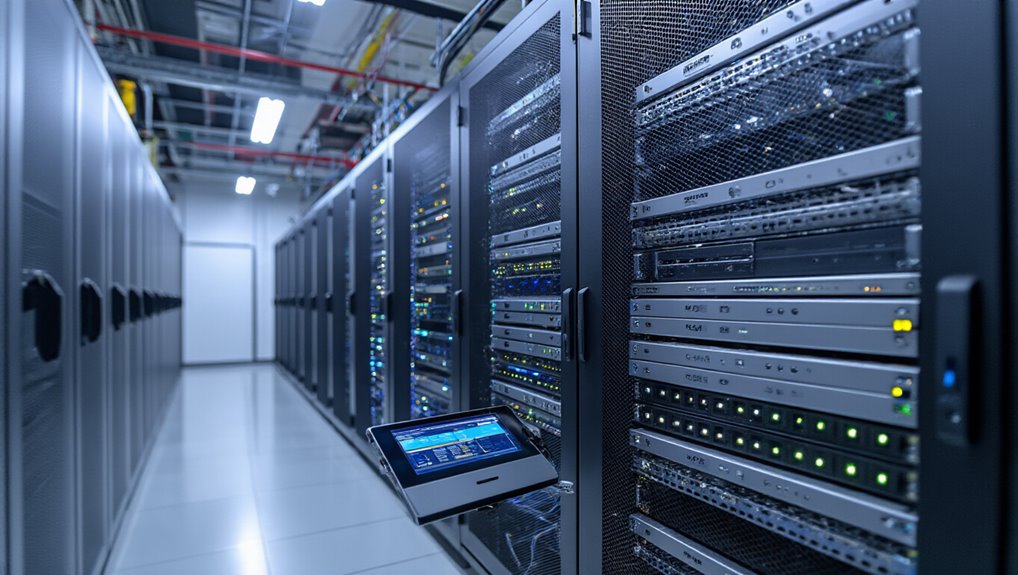
Automated inventory management transforms how IT departments track and control their technology assets by replacing manual processes with digital systems that work continuously in the background. This approach uses software, sensors, and connected devices to monitor stock levels, trigger purchase orders, and update records without requiring constant human intervention. When you implement these systems, you gain real-time visibility into what hardware and software your organization owns, where it’s located, and who’s using it.
Automated inventory management replaces manual tracking with continuous digital monitoring, delivering real-time visibility into your organization’s hardware and software assets.
The core components work together as an integrated network. Data capture tools like barcode scanners, RFID tags, and IoT sensors automatically record inventory movements the moment they occur. A centralized database stores all this information as your single source of truth, while software platforms connect scanners, workstations, mobile devices, and cloud services for instant synchronization across locations. The system applies predefined rules to control workflows—setting reorder thresholds, routing approval requests, and generating exception alerts when something falls outside normal parameters.
In IT environments specifically, automated inventory management delivers distinct advantages. The system discovers new hardware and software as soon as devices connect to your network, eliminating manual entry. It tracks ownership details, physical locations, and usage patterns in real time, which proves essential for compliance audits and security monitoring. You can reserve devices like laptops through automated workflows that update records instantly and flag configuration deviations that might indicate security risks.
The technology stack includes several key elements. RFID gates and autonomous mobile robots enable continuous inventory assessment without staff involvement. Smart shelves and weight sensors detect when someone removes equipment. Cloud computing provides the scalability and accessibility needed for multi-location operations, while WiFi networks ensure all connected tools communicate seamlessly.
The benefits extend beyond simple tracking. You’ll maintain accurate records that reduce operational inefficiencies and remove the manual workload associated with spreadsheets and periodic counts. Your team can respond faster to supply and demand changes because the system provides reliable data for informed decisions. Standardized processes across departments and locations mean everyone works from the same playbook, reducing errors and improving accountability throughout your IT operations. This unified approach also supports real-time insights that improve strategic planning and operational efficiency.