
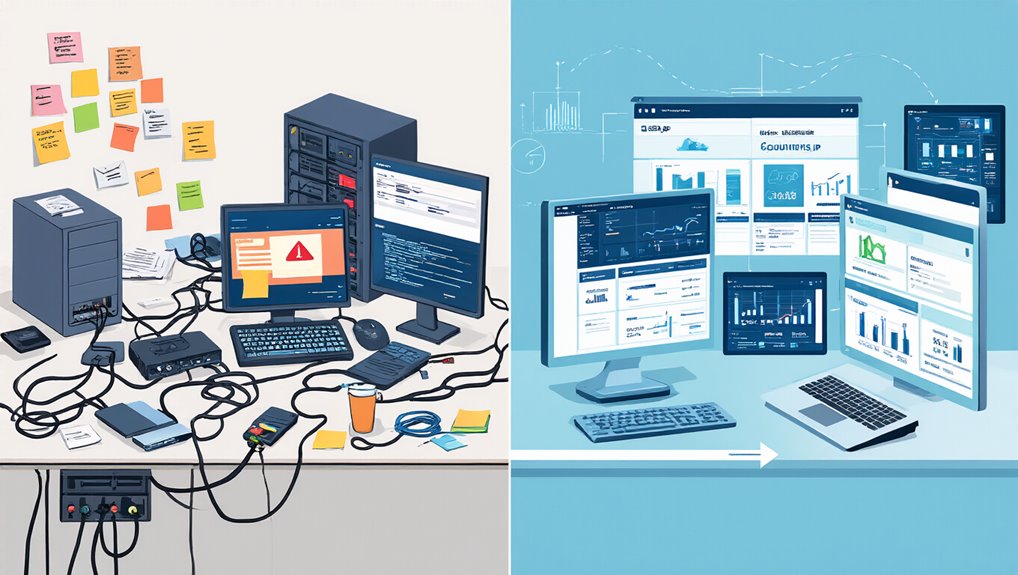
While organizations race to implement digital transformation, a silent crisis lurks beneath the surface of their IT systems. This crisis is hidden technical debt in IT Service Management (ITSM), gradually undermining innovation efforts and draining IT budgets. Technical debt encompasses more than just messy code; it includes fragile test suites, weak CI/CD pipelines, brittle processes, and accidental complexity that reduces a team’s ability to deliver value efficiently.
Hidden technical debt accumulates silently due to several key factors. Time pressures often force teams to take shortcuts in design, testing, and documentation. Legacy architectures become increasingly fragile and expensive to maintain. Delayed refactoring allows problems to compound, while outdated tooling and libraries create inefficiencies. Perhaps most concerning, security neglect creates vulnerabilities that represent significant liabilities. This accumulation is entirely normal in evolving systems, similar to how dust naturally gathers in a home. Many IT departments face this issue as a mixture of deliberate debt and accidental shortcuts taken over time.
The consequences of this hidden crisis are substantial and measurable. Organizations experience:
- Slowed product performance and feature delivery
- Inflated maintenance and operational costs
- Degraded developer productivity and morale
- Delayed or blocked strategic initiatives
- Increased security risk exposure
Detection of hidden technical debt requires vigilance. Warning signs include frequent bug reports, slow feature releases, complex onboarding processes, and high dependency on outdated tools. Regular code audits, penetration testing, system reviews, and documentation checks help uncover issues before they become crises. Legacy systems often consume 60% of IT budgets for maintenance alone, further limiting resources for innovation and growth.
ITSM processes themselves can embed technical debt through brittle handling of changes, test failures, or weak automation pipelines. When business leaders demand rapid pivots, quality standards often suffer, introducing more technical liabilities. Enterprise architects play a pivotal role in setting standards that prevent debt accumulation.
Understanding technical debt as a management concept rather than solely a code quality issue helps organizations address the problem holistically. Repaying technical debt must become a priority to restore sustainable innovation capacity. Without deliberate attention to these hidden liabilities, organizations will continue to see their transformation efforts hampered and their IT budgets increasingly consumed by maintaining fragile systems rather than creating new value.