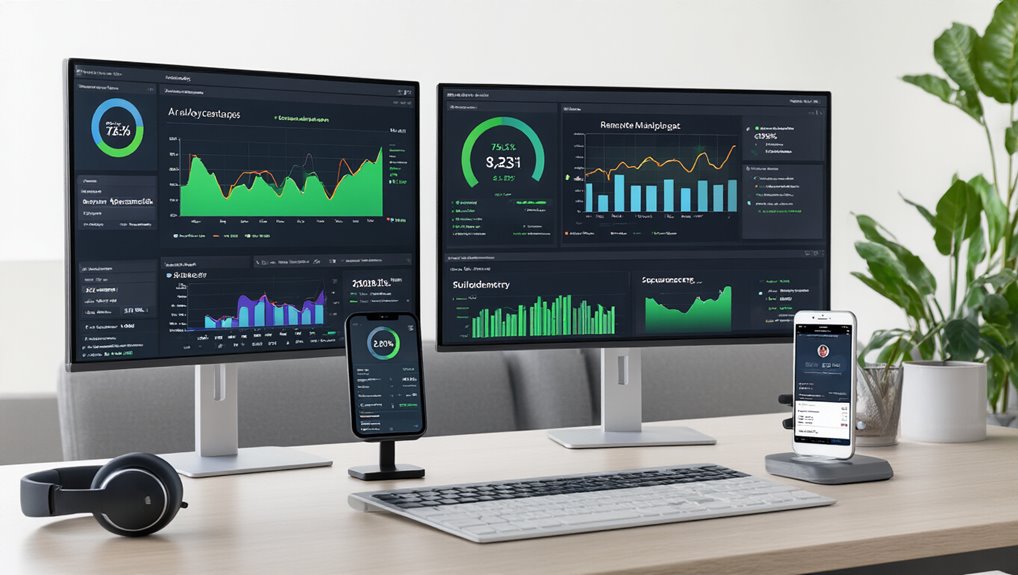
Information technology has crossed a defining threshold in 2026, moving from a margin consideration to a mission-critical imperative for organizations across all sectors. With global digital transformation spending projected to exceed $4 trillion by 2027, IT leaders must reframe their initiatives around business outcomes rather than cost centers. This shift demands strategic alignment between technology investments and organizational mission.
Professional service organizations face intense margin pressure from fragmented data strategies that limit visibility into utilization, delivery, and profitability. The absence of enterprise-wide data approaches creates chaos that slows evolution precisely when competitive forces demand agility. You must recognize that only 22% of 1,311 global firms have achieved significant digital business transformation, yet these transformed organizations demonstrate higher revenue growth and stronger net margins than their peers.
The path forward requires building phased roadmaps that align data initiatives with tangible business outcomes. Start by evaluating your organization’s data maturity, identifying governance gaps, and understanding cultural barriers to adoption. Define high-value data initiatives that directly support utilization metrics and margin improvement. For example, reframe IT objectives around concrete results like achieving 30% faster order processing rather than vague technology upgrades.
Nonprofits and mission-driven organizations face unique challenges in this shift. The Mission Margin Matrix framework helps you evaluate programs based on both mission contribution and financial sustainability, making strategic tradeoffs visible for structured conversations. You should prioritize data management infrastructure as core to mission success, using analytics to guide decisions, refine services, and strengthen measurable outcomes.
Cultural change requires internal champions who demonstrate early wins through targeted initiatives. Identify clear key performance indicators, start with manageable pilot projects, and scale successful approaches across your organization. Rationalize investments by evaluating both feasibility and strategic value before committing resources.
Organizations that fail to align data priorities urgently risk falling behind competitors who leverage digital capabilities for innovation, customer engagement, and cost reduction. Anticipate 10-15% annual shifts in platform design to match evolving strategic priorities. IT leadership now determines competitive viability rather than operational efficiency alone. Enterprises often combine social and environmental goals with scale to shape industry standards, highlighting the importance of integrating social objectives into technology strategy.