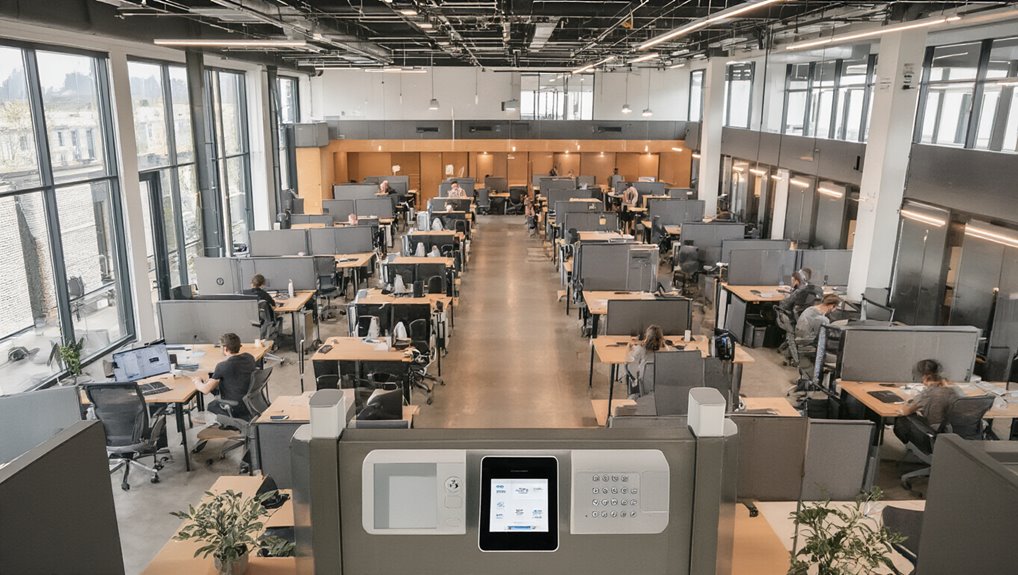
In the rapidly evolving landscape of flexible workspaces, coworking management has become far more complex than simply providing desks and Wi-Fi. As your space grows beyond 100 desks, operational chaos threatens unless you fundamentally rethink your management approach through technology, design, and systematic processes.
Operations management traditionally encompasses space allocation, bookings, and maintenance as core responsibilities. However, modern coworking requires implementing thorough management software that streamlines bookings, billing, and member management across all locations. In 2026, these platforms are essential rather than optional for running scalable, member-friendly spaces. Automation tools reduce staffing needs while improving workflow efficiency, making it feasible to manage multiple branches without proportionally increasing headcount. Many operators now integrate their management platforms with iPaaS to connect apps and data sources seamlessly.
Technology integration extends beyond software. IoT devices control lighting, climate, and security systems, improving efficiency and reducing operational costs. Access control and visitor management systems leverage technology for security, while cross-branch booking capabilities allow members to reserve meeting rooms and desks across multiple locations seamlessly. Offering an app or online portal enables members to handle room booking, event registration and communication efficiently.
Space design requires strategic zoning that creates designated areas for different work styles. You should offer flexible workspace options including hot desks, dedicated desks, and private offices to serve broader ranges of professionals. Soundproofing through acoustic panels and private booths addresses quiet focus area needs, while ergonomic furniture investment enhances comfort and prevents health issues. Natural light and ventilation improve ambiance and energy levels for members.
Scaling successfully demands consistency across all branches. Each location should maintain the same amenities and services for member comfort. Detailed policies covering membership terms, space usage, and community behavior establish clear expectations. Clear conference room booking duration policies prevent overbooking, while well-defined rules reduce conflicts and maintain professional environments.
Member engagement remains critical at scale. Regular networking sessions and workshops encourage collaboration, while member advisory boards foster ownership and involvement. Understanding member preferences through feedback helps tailor offerings to real needs rather than assumptions. Promoting member success stories strengthens retention and visibility. Events bringing members from multiple branches together maintain community sense across expansion, preventing the impersonal atmosphere that often accompanies growth. Mobile-first member experiences for managing memberships and making payments simplify interactions for busy professionals.