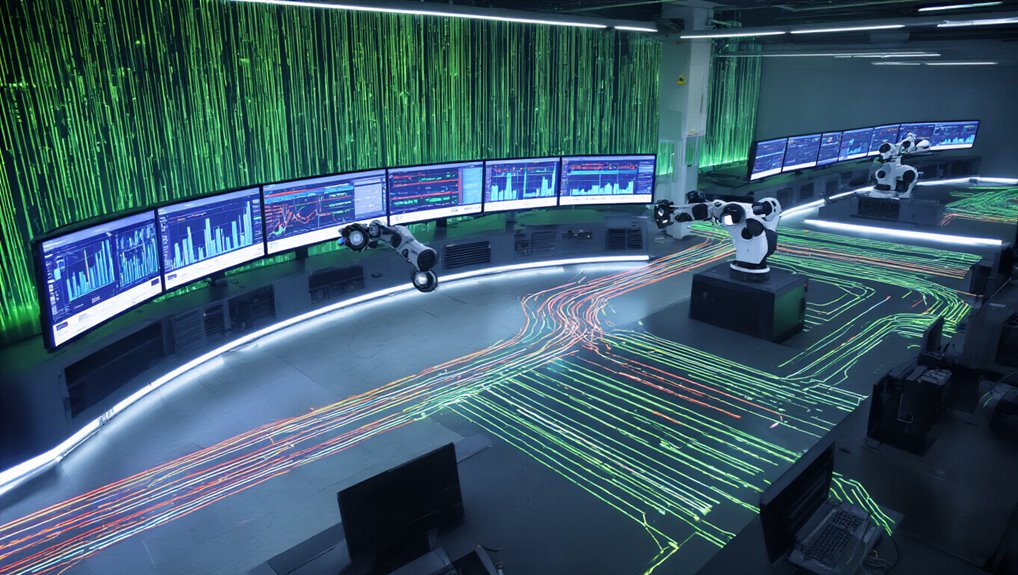
In the face of mounting IT service demands, organizations are discovering that traditional reactive support models no longer meet the needs of modern enterprises. Service desk agents currently spend up to 70% of their time on low-value work like ticket triage and password resets, leaving little room for strategic initiatives. ITSM automation is changing this dynamic by shifting from reactive firefighting to proactive service delivery.
The transformation begins with AI-powered systems that detect and resolve issues before they impact users. Proactive problem detection enables IT teams to spot potential outages and address them preemptively. Predictive analytics flags risks such as impending server failures, while pattern recognition uncovers trends like ticket spikes during software updates. This forward-looking approach allows 85% of IT professionals to report decreased ticket volumes through early issue identification.
Automation coverage rates demonstrate the scope of change possible. One global financial institution increased its automation from 12% to 48% of inbound requests, with 80% of routine IT queries now handled through automated self-service portals. The results prove compelling: mean time to resolution dropped from 6.5 hours to 2.1 hours, representing a 68% reduction. First-call resolution rates exceeded 60% for routine tickets, doubling previous performance.
Cost efficiency improves dramatically as manual handling decreases. The average cost to resolve IT tickets ranges from $15 to $17, but automation reduced this by 43% in one multinational bank deployment. Organizations have eliminated 80% of backlogs for password and access issues, with some resolving over 700 issues monthly through automation alone.
Service desk analysts benefit directly from this shift. Automation frees 30% of analyst time for complex escalations and high-impact initiatives rather than repetitive tasks. You can redirect your team toward proactive problem management and strategic projects that drive business value.
User satisfaction climbs as service quality improves. Customer satisfaction scores increased from 82% to 92% with faster resolutions and consistent delivery. AI virtual assistants provide 24/7 support, reducing response times while automated updates enhance transparency. By 2026, industry analysts predict 40% of enterprise applications will feature AI agents, making proactive service delivery the new standard.
Integration with existing enterprise systems and middleware is essential to scale proactive ITSM initiatives, ensuring seamless data exchange and improved visibility through message-oriented middleware.