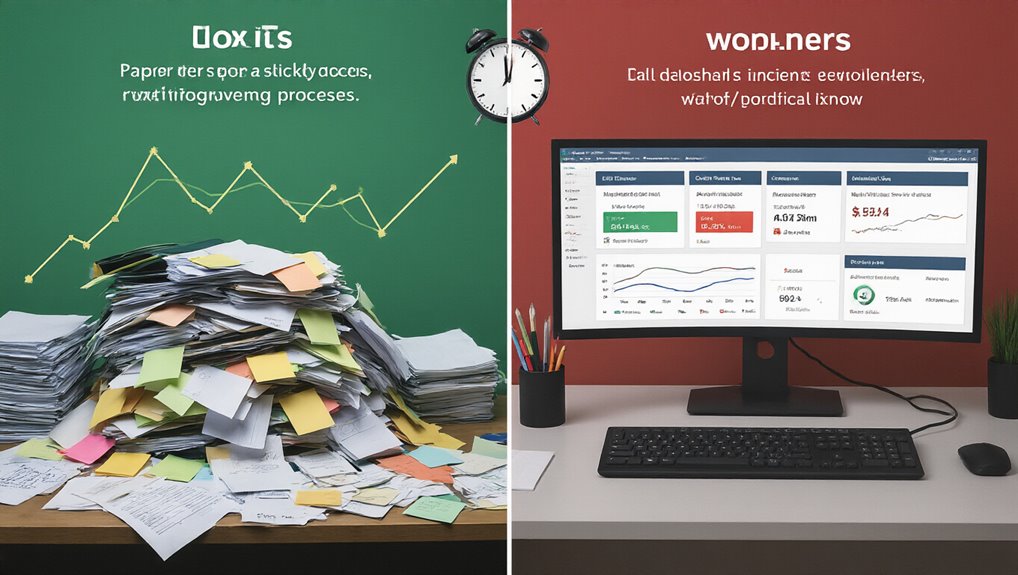
Why do organizations continue to struggle with manual ticketing processes in ServiceNow despite the platform’s automation capabilities? The answer often lies in organizational inertia and resistance to change, even when the limitations of manual processes are clearly evident.
Manual ticket creation substantially increases response times by forcing reliance on human intervention at every step of the process. This human dependency introduces data entry errors, resulting in unreliable reporting that hampers decision-making.
Manual workflows create a cascading effect of inefficiencies throughout support operations. Support teams find themselves dedicating precious hours to administrative tasks rather than focusing on actual problem resolution. This misallocation of resources leads to longer incident resolution cycles, with organizations reporting up to 30% longer resolution times compared to automated alternatives. Without automation, calculating average tickets closed per agent becomes a complex challenge requiring custom workarounds rather than standard reporting functions.
The repetitive nature of manual ticket entry contributes to employee burnout, with automation potentially decreasing support staff burnout by 35%. The impact on user experience cannot be overstated. Customers experience frustrating wait times and inconsistent service quality when tickets are handled manually.
The lack of self-service options creates unnecessary dependency on support staff, creating bottlenecks that modern businesses cannot afford. Companies that implement automated ticketing witness a remarkable 40% improvement in user satisfaction scores.
From a financial perspective, manual processes increase operational costs by 20-25%. These costs stem from inefficient resource utilization and extended resolution timeframes. Organizations that implement ServiceNow’s automated incident management can potentially save at least $450,000 annually depending on their feature utilization. Implementing a comprehensive outsourcing model for ticketing processes can further enhance cost savings while providing access to specialized expertise in ServiceNow automation.
Automated incident creation provides three key advantages:
- Reduced response times through immediate ticket generation
- Consistent categorization and prioritization
- Improved data accuracy for reporting and analytics
The industry trend is clear: manual ticketing is increasingly recognized as a substantial bottleneck in IT Service Management. Organizations seeking digital transformation must embrace automation as a cornerstone of their strategy.
Automated workflows free support personnel to focus on complex issues requiring human expertise, while routine matters are handled efficiently by the system. The result is a more scalable, responsive, and cost-effective support operation that drives business value rather than creating administrative burden.