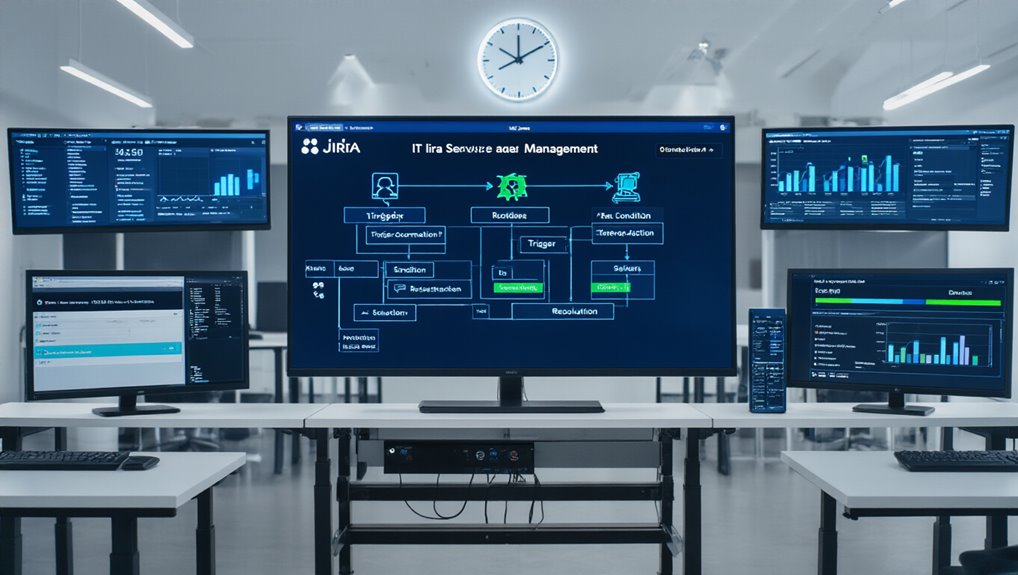

Why do so many ServiceNow–Jira integrations fail despite significant investments in implementation? The answer often lies in two critical areas: field mapping and audit logging. Field mapping errors consistently rank as the leading cause of integration failures, creating a cascade of issues that undermine the entire system. When fields don’t align properly between platforms, data becomes inconsistent, incomplete, or entirely lost during synchronization.
Despite major investments, ServiceNow-Jira integrations frequently collapse due to poor field mapping and inadequate audit logging.
Field mapping challenges stem from fundamental differences between the two platforms. ServiceNow and Jira utilize different field types, formats, and structures. For instance, a dropdown field in ServiceNow might need to map to a text field in Jira, creating immediate compatibility issues. Time zone discrepancies frequently cause timestamp inconsistencies, while rich text and attachments often fail to transfer correctly. Unlike elastic scalability available in modern iPaaS solutions, multiple organizations struggle with these issues due to siloed instances causing version mismatches and broken synchronization. These mapping problems aren’t just technical inconveniences—they result in corrupted data and broken processes. Prior to finding Getint, ISCG encountered these exact issues with attempts at integration that were hindered by high costs and complexity.
Audit logging deficiencies compound these problems by making troubleshooting nearly impossible. Without comprehensive audit trails, teams cannot trace the source of errors or understand how data transforms during synchronization. Many integrations implement partial logging systems that track changes in one system but not the other, creating blind spots in your data governance. This lack of visibility not only hampers troubleshooting but also creates compliance and security vulnerabilities.
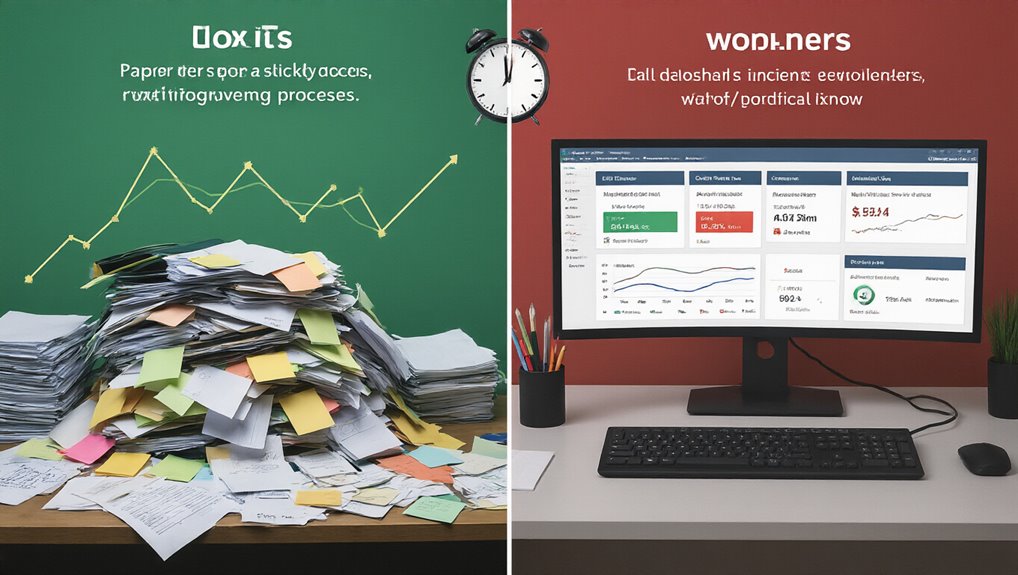
The consequences affect more than just technical systems. Teams begin to lose trust in the integration, reverting to manual processes that increase workload and error rates. Collaboration suffers as information becomes siloed, and teams duplicate efforts due to the lack of reliable real-time synchronization.
To avoid these pitfalls, you must:
- Clean and standardize data before integration
- Create detailed field mapping documentation
- Implement comprehensive bi-directional audit logging
- Establish clear ownership for integration maintenance
- Regularly review and update field mappings
Success requires treating integration as an ongoing process rather than a one-time project. By focusing on these fundamentals, particularly field mapping accuracy and robust audit logging, you can transform a failing integration into a reliable business asset.