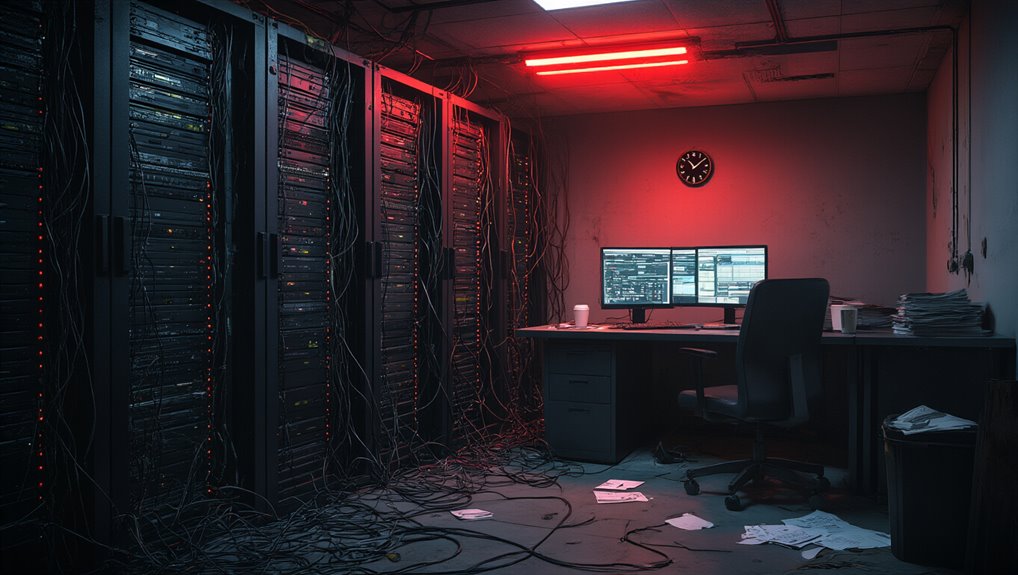
Why ITSM Heroics Make Recovery Slower
When an organization depends on a single expert to resolve critical incidents, recovery times increase substantially. This dependency creates several measurable problems:
- Ticket bottlenecks form immediately when only one person can diagnose complex issues.
- Diagnostic delays extend when obscure configurations require specialized knowledge no one else holds.
- Idle teams wait rather than troubleshoot because documentation does not exist.
Without shared knowledge, every incident routes through one individual. That person becomes a single point of failure. When unavailable, fatigued, or overwhelmed, the entire recovery process stalls.
When one person holds all the answers, their absence doesn’t just slow recovery — it stops it entirely.
Organizations pay for this inefficiency through consistently longer mean time to resolution. The goal of knowledge management is to transition from relying on one superhero to building a team full of superheroes. Hero culture results in more frequent IT failures, increasing costs for both IT and the customers who depend on reliable service. Organizations should adopt automated workflows to reduce single points of failure and speed recovery.
How Burnout Silently Breaks Your SLA Targets
Burnout does not announce itself through missed deadlines alone — it erodes SLA compliance gradually, through small failures that compound over time.
Fatigued agents miss early warning triggers, allowing tickets to silently reach the 90% SLA window unnoticed. Regular monitoring and real-time dashboards can detect these slips before they become breaches.
Delayed escalations at the 75% threshold cause 40% more breaches.
Key failures include:
- Mean time to resolution rises 15–20%
- First-contact resolution drops from 75% to 55%
- Repeat tickets increase 30% due to unresolved root causes
Each failure appears minor in isolation.
Together, they systematically dismantle SLA performance before leadership recognizes the pattern causing the damage. Organizations without automated escalation triggers and real-time dashboards rely on manual ticket review, leaving burnout-driven gaps invisible until a breach has already occurred — a process failure that tool inadequacy compounds directly on top of human fatigue. Recurring breaches concentrated in the same ticket category are a signal that problem record investigation is overdue, yet burnout suppresses the capacity to act on those patterns before they deepen.
Why Heroic Teams Skip Post-Incident Reviews and Pay for It
After a major incident finally stabilizes, heroic teams treat recovery as the finish line — not the starting point. Skipping post-incident reviews creates compounding failures:
- Blame culture silences the people who hold critical timeline details.
- Root cause analysis relies on intuition instead of structured methods like the 5 Whys.
- Runbooks, monitoring gaps, and tooling flaws go uncorrected.
- MTTR worsens because the same incidents repeat without documented lessons.
Nine business days often pass before anyone drafts a review. By then, context is lost.
Teams pay for this delay through slower detection, repeated failures, and eroding trust. PIR findings should feed back into the planning process to ensure critical fixes are included in upcoming work cycles. Customer trust erodes further when no public-facing review documents what happened, why it happened, and what steps are being taken to prevent recurrence. A formal incident management process helps ensure reviews are conducted promptly and lessons are tracked.
Where Automation Succeeds Where Heroics Fail
Where heroic teams rely on individual effort and improvisation, automation delivers consistency at scale.
While heroes scramble to resolve incidents manually, automated systems categorize, route, and escalate tickets in seconds. The results speak clearly:
- 82% of organizations report ticket deflection using AI-driven ITSM
- 71% report faster resolution times through automated workflows
- 76% report improved customer satisfaction
Automation removes human error from repetitive tasks and follows the same logic every time. ITIL best practices provide standardized procedures that automation can enforce.
Heroes burn out because systems depend on them.
Automation removes that dependency, letting skilled staff focus on complex problems rather than routine firefighting. Strategic tasks take priority when automation absorbs the repetitive, time-consuming work that once consumed skilled employees’ capacity.
Self-service portals extend this further, allowing end-users to resolve common issues and submit requests independently without ever reaching the support queue.
The MTTR and RTO Gaps Heroic Teams Never Measure
Heroic teams rarely stop to measure what they cannot see. The gap between MTTR and RTO reveals whether recovery capabilities actually meet business expectations.
MTTR measures actual repair time. RTO defines the maximum acceptable downtime. Without comparing both, organizations cannot identify where recovery falls short.
Three common gaps heroic teams miss include:
- Detection delays extending total incident duration
- Non-critical upstream dependencies blocking critical system recovery
- Snapshot selection bottlenecks adding untracked restoration time
Real-world MTTR data exposes these failures. Without gap analysis, teams risk overbuilding low-priority systems while underfunding the ones that matter most. When MTTR consistently exceeds RTO, the organization is violating business requirements set by management to protect customer expectations and SLA commitments.
RTO is not static and should be reassessed at least annually, after major incidents, and following significant infrastructure changes to remain aligned with current recovery capabilities. Regular RTO reassessment ensures recovery targets reflect the organization’s actual operational state rather than outdated assumptions.
Integrated ITSM processes also help close these gaps by ensuring real-time data sharing across systems to speed detection and coordination.